Solow’s Standards: Anthony Calicchio’s Lessons in Luxury Real Estate Development
Anthony Calicchio provides a candid look at what “excellence” really takes in real estate.

Even in real estate, the simplest questions are usually the hardest to answer.
For example: How is quality measured? What creates lasting value? How do you build excellence in real estate development?
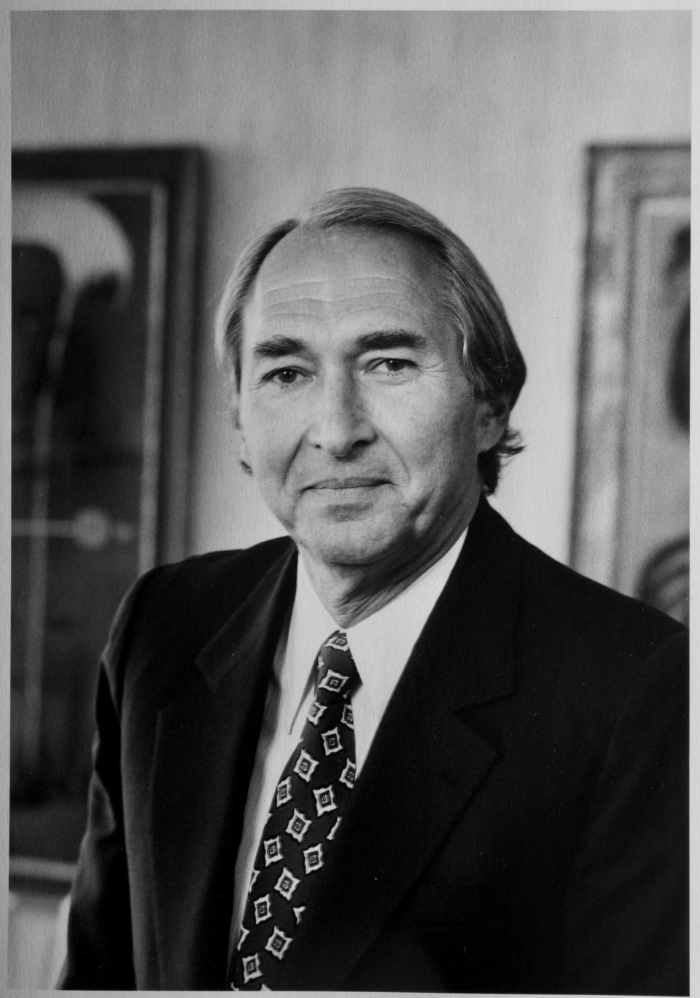
For answers, we talked to Anthony Calicchio, senior vice president of construction & operations at GO Partners, about his decades of experience delivering Class A luxury buildings and about what he learned working one-on-one with Sheldon Solow, NYC’s famously demanding and successful real estate mogul.
How was your career shaped at Solow Management, and how did that prepare you for the work you do today?
My time at Solow Management was the foundation of my career. Sheldon Solow had an uncompromising standard for quality, attention to detail, and operational excellence. I was fortunate to be involved in every aspect of development—from ground-up construction and major capital projects to building operations and long-term asset management.
Working directly with Mr. Solow taught me how to think like an owner rather than simply a construction executive. Every decision had to balance quality, schedule, long-term operating costs, and resident experience. Those lessons continue to guide me today as senior vice president of construction & operations at GO Partners, where I oversee major renovations, capital improvements, and building operations with the same ownership mentality.
Mr. Solow had a reputation as a knowledgeable, experienced high-end real estate developer. That must have placed a lot of stress on you to deliver on time with few or no extras. What was he like to work for?
Working for Mr. Solow was demanding because he understood every aspect of construction and building operations. He challenged every recommendation and expected you to justify every decision with facts.
That environment pushed everyone to become better. We learned to anticipate issues before they became problems, minimize change orders, negotiate aggressively with contractors, and never compromise on quality.
Delivering projects for someone with that level of expertise required discipline, preparation, and accountability every single day. Looking back, it was one of the best professional experiences of my career because it permanently raised my standards.
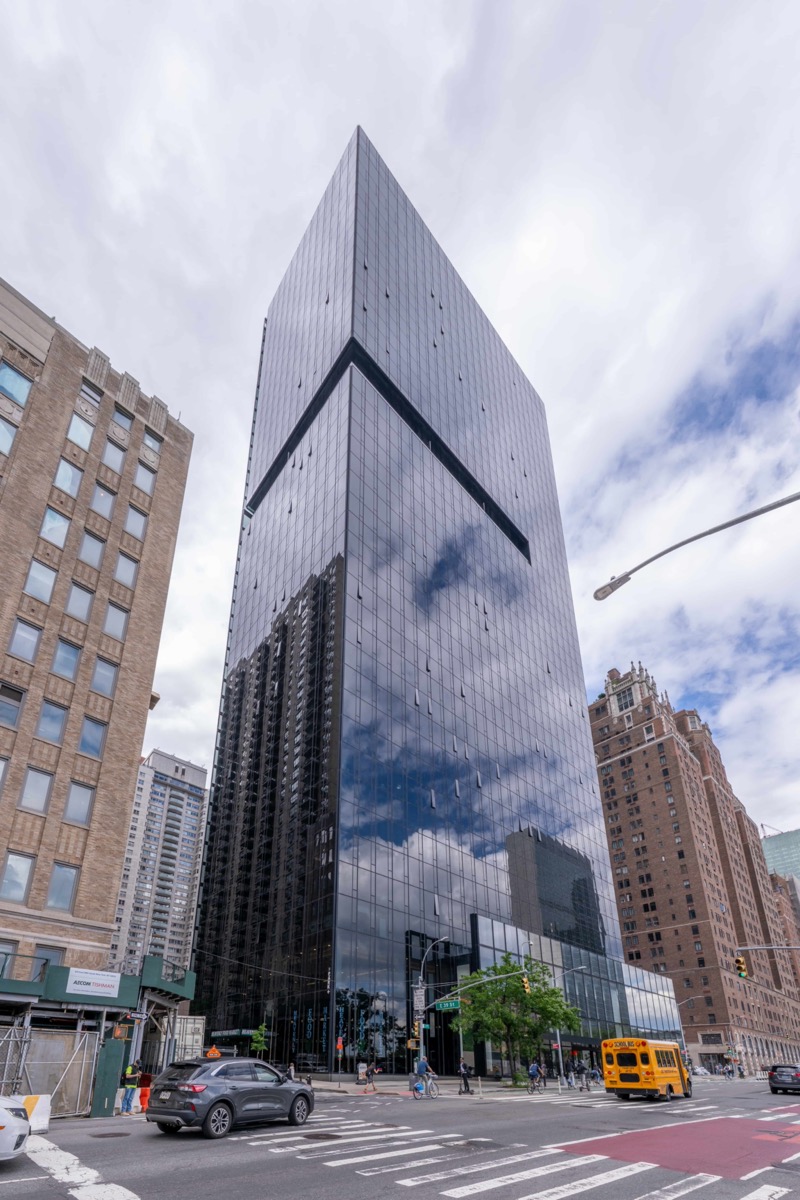
You were in charge of developing 685 First Avenue for Solow Management, which you delivered for $50 million less than expected. How did you achieve such savings?
685 First Avenue was an extremely complex project because construction continued while portions of the design were still evolving. That required constant coordination between architecture, structural engineering, mechanical, electrical, plumbing, controls, and field operations.
Hammering out answers on the fly requires an experienced team. I specifically looked for vendors interested in adding value to the project rather than just a check on the punch list.
Richard (Angerame) and utiliVisor were valuable partners in helping us evaluate mechanical systems, controls integration, commissioning strategies, and contract negotiations. We spent considerable time reviewing equipment selections, optimizing the central plant design, refining control sequences, and eliminating unnecessary costs before installation.
Similarly, Livingston Electric (now Lumos Electric) was much more than an electrical contractor. They became a trusted project partner throughout construction. They worked closely with our team to coordinate the electrical distribution systems, support commissioning, resolve field conflicts, assist with startup activities, and ensure seamless integration with the building automation, cogeneration, and metering systems.
Through value engineering, contract negotiations, and system optimization, we were able to reduce overall project costs by well over $50 million while maintaining the quality standards expected by ownership. Equally important, we accomplished this without hiring a construction management firm, which demonstrated the strength of our internal team.
How did you sell Sheldon Solow on cogeneration at 685 and converting from Con Edison meters to utility-grade metering?
Mr. Solow was very analytical. Every investment had to demonstrate a measurable financial return.
The business case for cogeneration focused on reducing purchased electricity, utilizing recovered heat, improving energy efficiency, and increasing building resiliency.
Likewise, utility-grade metering provided far more accurate operational data, allowing us to understand exactly where energy was being consumed.
utiliVisor provided the analytics that validated these investments by tracking energy usage, identifying savings opportunities, and confirming the financial performance of both systems.
What problems did you experience with integrating 685’s complex central chilled water/boiler plant with cogeneration?
Integrating the central plant was challenging because we were combining chillers, boilers, cooling towers, cogeneration, heat recovery, domestic hot water production, and building automation into one operating system.
The challenge wasn’t simply making the equipment run—it was making every component operate efficiently together under varying building loads throughout the year.
utiliVisor helped analyze operating data, identify inefficiencies, review control sequences, and recommend adjustments that improved plant performance. Their monitoring allowed us to continuously fine-tune operations rather than relying solely on periodic service visits.
Were there problems integrating the Crestron home automation system into the Albireo (Andover) control system?
There were certainly integration challenges because the apartment automation systems and the building automation system were designed by different manufacturers for different purposes.
The biggest challenge was making sure both systems communicated properly without affecting resident comfort or overall building performance.
Working collaboratively with the controls contractors, Crestron, Schneider Electric, and utiliVisor, we resolved communication issues, optimized programming, and achieved a reliable operating platform.
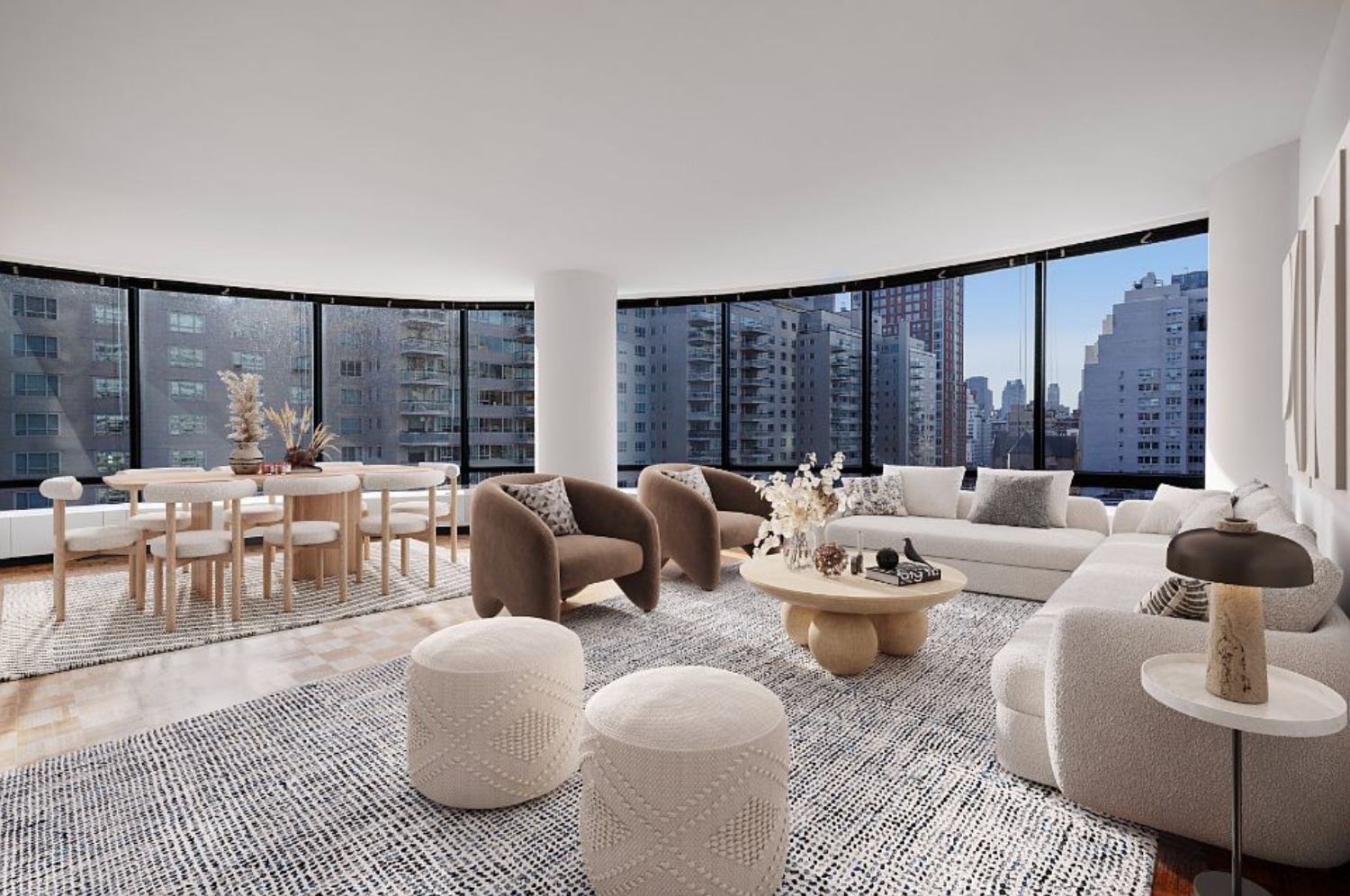
One factor that made 685 such a success was the degree of tenant satisfaction. What kinds of tenant complaints were eliminated because of the renovation?
The improvements significantly reduced complaints related to inconsistent apartment temperatures, delayed responses to HVAC issues, domestic hot water fluctuations, and comfort concerns during seasonal transitions.
Because we had better visibility into building operations, many issues were identified and corrected before residents even noticed them.
That proactive approach greatly improved both resident satisfaction and overall building reliability.
Service downtime at Solow properties is unusually low for the industry. What made Mr. Solow’s buildings so different?
Mr. Solow invested heavily in infrastructure, preventative maintenance, and staffing. Reducing downtime came from being proactive instead of reactive.
We continuously monitored our systems, tracked performance trends, scheduled preventive maintenance, and identified potential failures before they became emergencies.
Many owners react after equipment fails. Our philosophy was to prevent failures altogether, which dramatically reduced downtime and improved resident satisfaction.
_min.jpg/jcr:content/2017-10-14_OHNY_Am._Cu._Bldgs_(73)_min.jpg)
Image source: Wikimedia Commons
How did you move from Solow to GO Partners, and how has your job changed?
After many successful years at Solow, I accepted the opportunity to become Senior Vice President of Construction & Operations at GO Partners, which also acquired 685 from Solow.
The role expanded my responsibilities beyond operations to include large-scale renovations, acquisitions, repositioning assets, and overseeing significant capital improvement programs.
Throughout, I’ve kept an eye on 685, and utiliVisor has remained an important technical resource. Having a partner that understands the property’s history has been a tremendous advantage. They continue to support the submetering, monitor chiller plant efficiency, assist with building automation systems, provide technical troubleshooting, and help maximize the performance and financial return of the cogeneration system.
Together, we continue to implement Sheldon Solow’s philosophy that premium buildings deserve premium maintenance standards.
You Might Like
Related articles from our blog:
.png/jcr:content/Energy%20Procurement%20cover%20(1920%20x%201080%20px).png)
About utiliVisor
Your tenant submetering and energy plant optimization services are an essential part of your operation. You deserve personalized energy insights from a team that knows buildings from the inside out, applies IoT technology and is energized by providing you with accurate data and energy optimization insights. When you need experience, expertise, and service, you need utiliVisor on your side, delivering consistent energy and cost-saving strategies to you. What more can our 45+ years of experience and historical data do for you? Call utiliVisor at 212-260-4800 or visit utilivisor.com