How to Stop Utility Cost Leakage and Boost Net Operating Income in Retail Properties
Why high CAM costs are a raw deal for retail owners and their tenants
We've talked before about the fantasy that properties can just use CAM allocations to make up partial or inaccurate utility cost recovery.
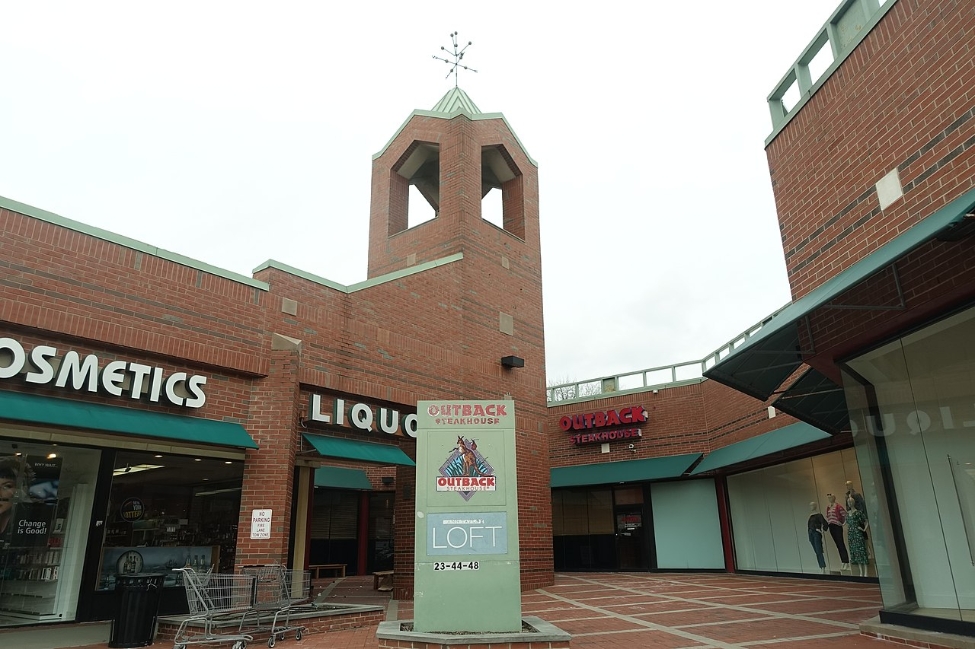
This time, let’s go deeper into CAM issues – specifically in the retail sector. Those grocery-anchored strip malls and open-air shopping centers are often under-instrumented when it comes to utility tracking. The result is utility costs bleeding into the CAM.
These leaks may look too small to bother with per site. But across multiple assets, utiliVisor's research shows you're likely missing out on an amount of direct, recurring income that will grow your NOI.
Why High CAM Isn't Effective for Cost Recovery
A common problem in this sector is that many retail owners are carrying domestic water inside CAM (aka common area maintenance), or else they’re billing for water/sewage/irrigation… shall we say... imprecisely. That cost leakage creates two quiet problems:
- Owners are absorbing more costs than they should.
- Tenants end up cross-subsidizing each other.
The trouble with quiet problems is that they don’t stay quiet for long. Between the battle for financial survival against Amazon and the leasing and diligence headaches, this situation is lose-lose.
However, if you remake your “CAM recovery” into direct, clear, and consistent tenant bill-back, you’ll see immediate upside across the business, such as:
- Increased incremental revenue through CAM compression
- Better positioning (improved leasing optics and clearer underwriting)
- Greater marketability through the elimination of tenant cross-subsidy
- Realization of intrinsic value
- Cleaner monthly financial cycles
- Less manual burden on property managers
Show Me the Data!
Let’s look at some numbers to demonstrate what we’re talking about. We looked at data from 32 retail sites. The average CAM recovery for those sites was 70%. But many sites were eligible to recover more like 90% of their CAM expenses. Also, across those 32 sites, the average ROI on water submetering was 14% after minor capital investment.
For a single strip mall, that’s an immediate billing win. Perhaps more importantly, lowering the CAM $/sf also makes that asset easier to lease, easier to underwrite, and easier to sell. And those benefits multiply when you scale to a portfolio of retail assets.
The beautiful thing about this opportunity is that it’s consistent, repeatable, and scalable. That revenue already exists in the asset; it’s just waiting to be realized. Plus, ROI could be even higher if you’re able to retro-bill. Once you look into it, don’t be surprised if your team’s attitude changes from “Should we?” to “How fast can we deploy?”
Retail CAM FAQ
Q: What is CAM recovery in retail real estate?
A: CAM recovery is the process of allocating and billing common area maintenance (CAM) expenses back to tenants according to lease terms, so the owner is not absorbing costs that should be reimbursed.
Q: What is "utility cost leakage” in retail CAM?
A: Utility cost leakage occurs when utility expenses that should be billed directly to the tenant end up sitting in CAM and are not fully recovered, quietly reducing the NOI of the retail asset.
Q: Why is high CAM ($/SF) a leasing and diligence issue?
A: High CAM ($/SF) can hurt leasing optics because prospective tenants compare total occupancy costs across options. It can also complicate underwriting, diligence, and transactions when CAM charges look inflated or inconsistently applied.
See How Much More You Could Recoup
If you’re curious about converting your CAM leakage into direct and consistent cost recovery, here’s our offer:
Send us one site’s current water and electricity bills, CAM $/SF, and the percentage of each in the CAM right now. We’ll analyze your data against other sites we’ve worked with and get back to you with an estimate of revenue recovery.
You Might Like

About utiliVisor
Your tenant submetering and energy plant optimization services are an essential part of your operation. You deserve personalized energy insights from a team that knows buildings from the inside out, applies IoT technology and is energized by providing you with accurate data and energy optimization insights. When you need experience, expertise, and service, you need utiliVisor on your side, delivering consistent energy and cost-saving strategies to you. What more can our 45+ years of experience and historical data do for you? Call utiliVisor at 212-260-4800 or visit utilivisor.com