The $20K Wake-Up Call: Why Upgrading Systems Brings Down Meter Maintenance Costs
How one property upgraded their data communications and shed a spendy – and unneeded – maintenance contract
Many properties are looking hard right now at ways to offset their surging power bills.
The property management team at a Class A NYC skyscraper thought they had found a good cost-cutting candidate in the maintenance contract for their remote submetering system. The contract was held by the vendor for their building management system (BMS) and cost a shocking $20,000 a year: $10K for the contract itself and another $10K for various updates and additional maintenance.
Unsurprisingly, the property management team looked at that bill and thought, “This seems egregious” (because it was): not the maintenance or the updates – you totally need those if you want your system to remain useful – but the cost. Yikes!
The Path to Cheaper Meter System Maintenance
The property management team was ready to cancel the contract and be done. But the chief engineer pointed out that the remote metering system would fall apart without maintenance and software updates. He also pointed out that the on-site team didn’t have the time or the experience to take on this additional work. We’ve been doing the tenant billing for the building for the last 20 years, so he called us to see what we could offer.
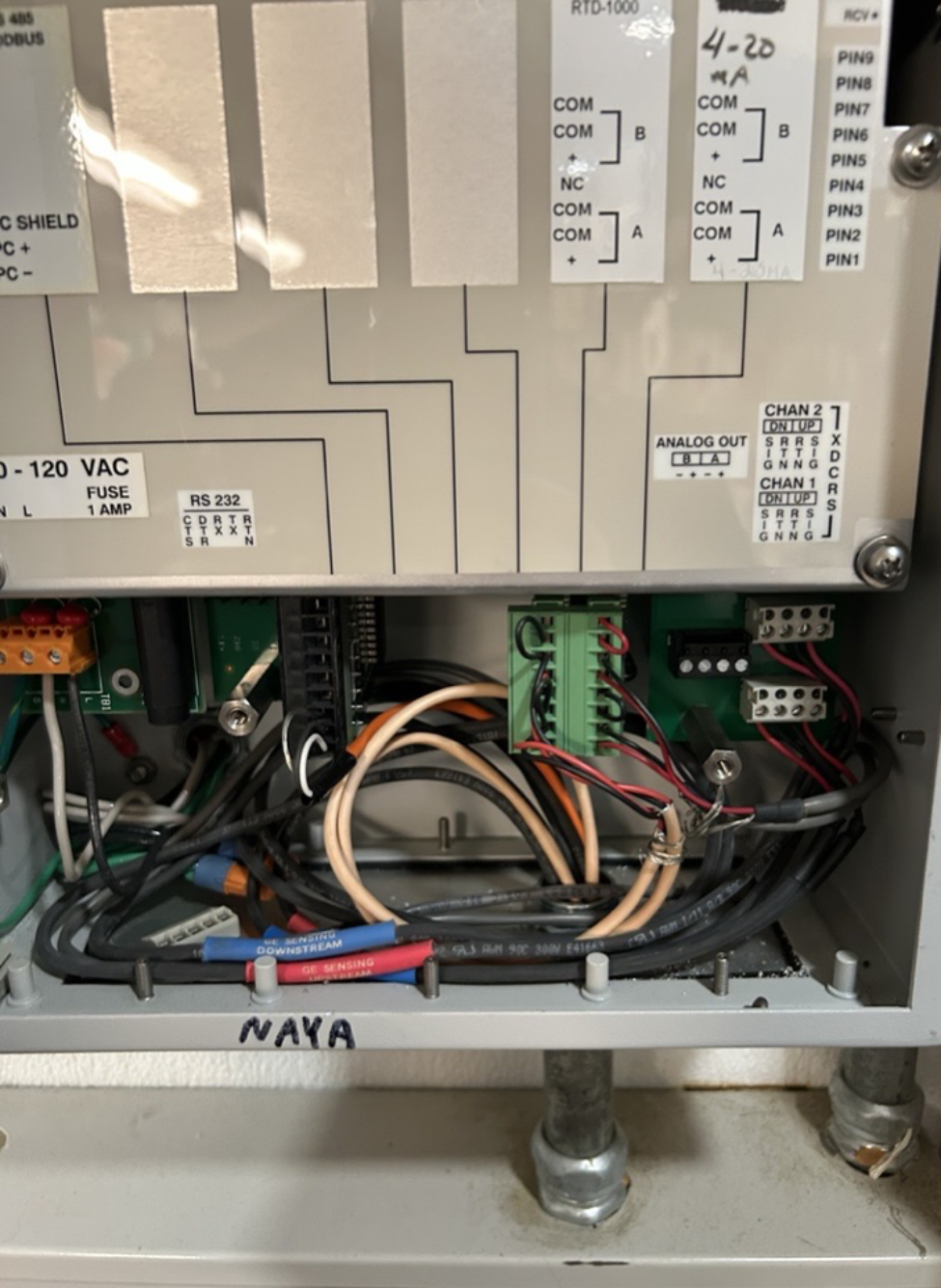
We walked through the site and found a legacy system that was probably installed in the 2000s. Oddly, the on-site system was the kind intended to monitor electricity harmonics – it’s what you need if you’re generating electricity or you’re in specialty manufacturing. The complexity of the system was why their maintenance contract was so expensive. It’s also complete overkill for a commercial office building.
So we suggested a new plan: replace the heavy-maintenance legacy system with a modern plug-and-play data collection system. To keep the project even more budget-friendly, we proposed upgrading the building one data gateway at a time.
How will replacing the old system reduce costs? Because a) the cost of the new equipment and its installation is far less than the $20K/year maintenance contract and b) the cost to maintain the new system is $0 because it’s already included in our monthly billing fee (true for all clients).
We kicked off the project mid-January, and we’ve already installed the first data collection gateway. Now we're in the final stages of confirming the accuracy of the communications (this is a critical process we don’t rush through).
You Never Know What You're Going to Find
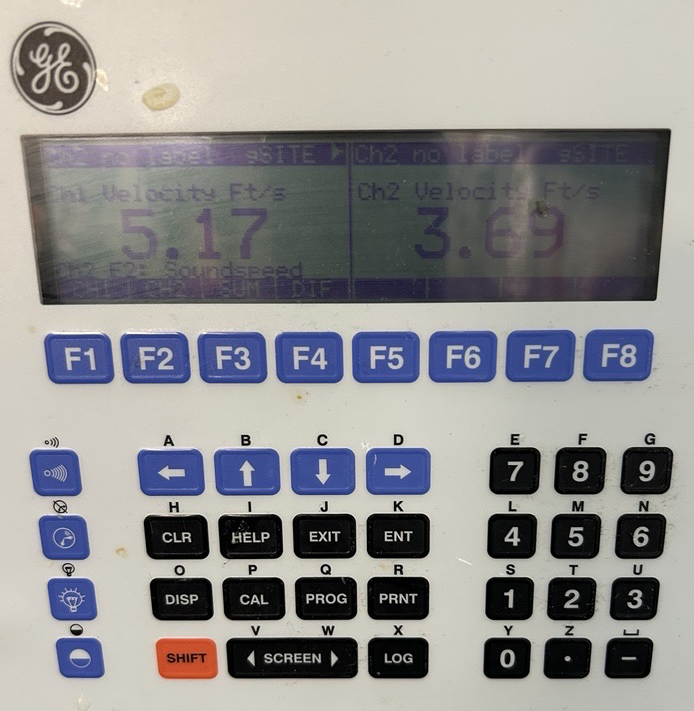
The biggest issue on this project so far has been connecting an older-model BTU meter. We rarely run into a model we haven’t interfaced with before, so this was noteworthy. The challenge with connecting to a new type of meter is how you map the data correctly from end point to end point. Without good mapping, you don’t know, for example, if the mass total reading at the meter isn’t being mistaken for flow rate by the system server. Those kinds of mismapping errors are heck on your billing data.
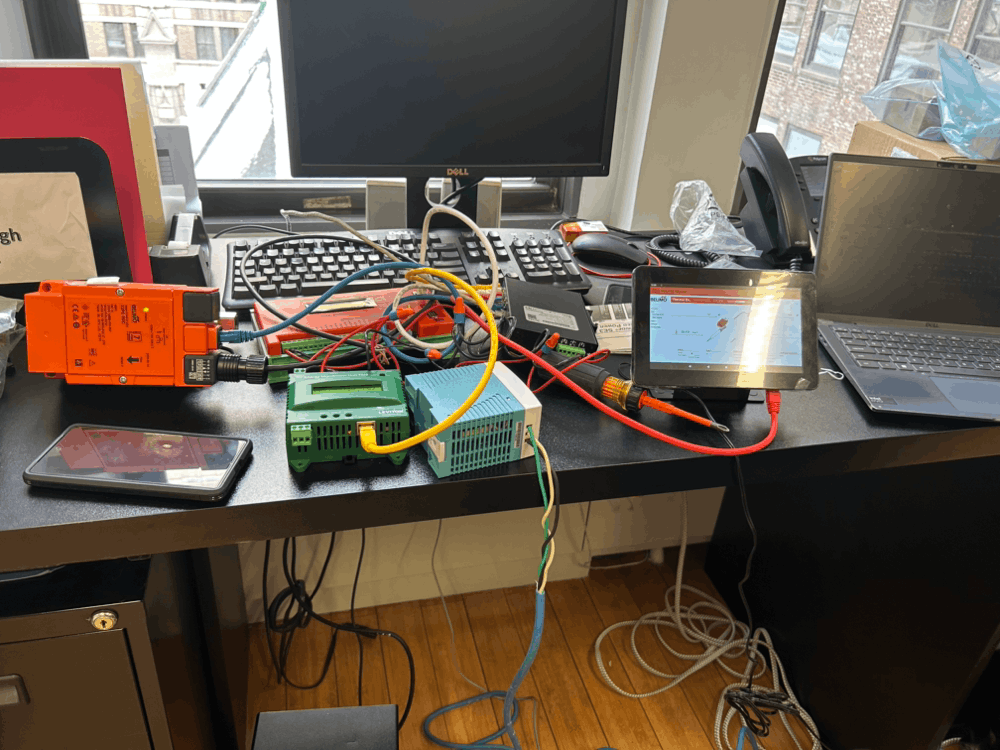
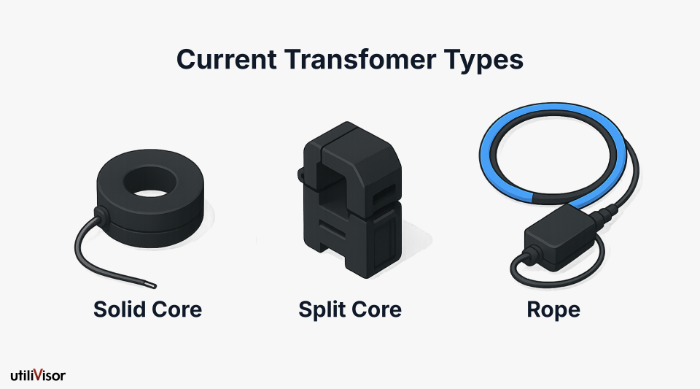
The delicate process of assembling and configuring the new system was performed by Eddie Pavrette, our project manager for remote metering. Eddie is like a transplant surgeon, meticulously connecting new bits to old bits to get years more life out of an older system. For this old BTU meter, he created a custom template so the meter can communicate with much younger technology. He also reference-tested the health of other existing meters. One meter had a broken current transformer (CT), prompting a minor repair procedure before it could be added to the new system.
After adding the other existing meters to the system (this gateway is responsible for 22 of the property’s 138 meters), the patient was ready for closing.
Old + New: What Could Go Wrong?
Piecing old and new equipment together like this is the perfect time to either create or prevent a data disaster. These are the communication problems Eddie’s always watching out for during surgery:
- Polarity issues
- Miswiring
- Wrong baud rate
- Misconfigurations when chaining meters together
- Electrical noise that interferes with the signal
- Cut wires (no signal)
Now we're one gateway down and six to go. There are no guarantees of what we’ll find when we open up and reconfigure the other six. But the foundational work Eddie did to create the new meter template and connect this first gateway will help the rest of the updates move even faster.
And with that $20,000 tumor of a contract removed, the property is healthier and more resilient in the face of ever-rising energy costs.
You Might Like
About utiliVisor
Your tenant submetering and energy plant optimization services are an essential part of your operation. You deserve personalized energy insights from a team that knows buildings from the inside out, applies IoT technology and is energized by providing you with accurate data and energy optimization insights. When you need experience, expertise, and service, you need utiliVisor on your side, delivering consistent energy and cost-saving strategies to you. What more can our 45+ years of experience and historical data do for you? Call utiliVisor at 212-260-4800 or visit utilivisor.com