One Tiny Setting. One Big Billing Problem
What happens to your cost recovery when your deduct meter is programmed incorrectly?
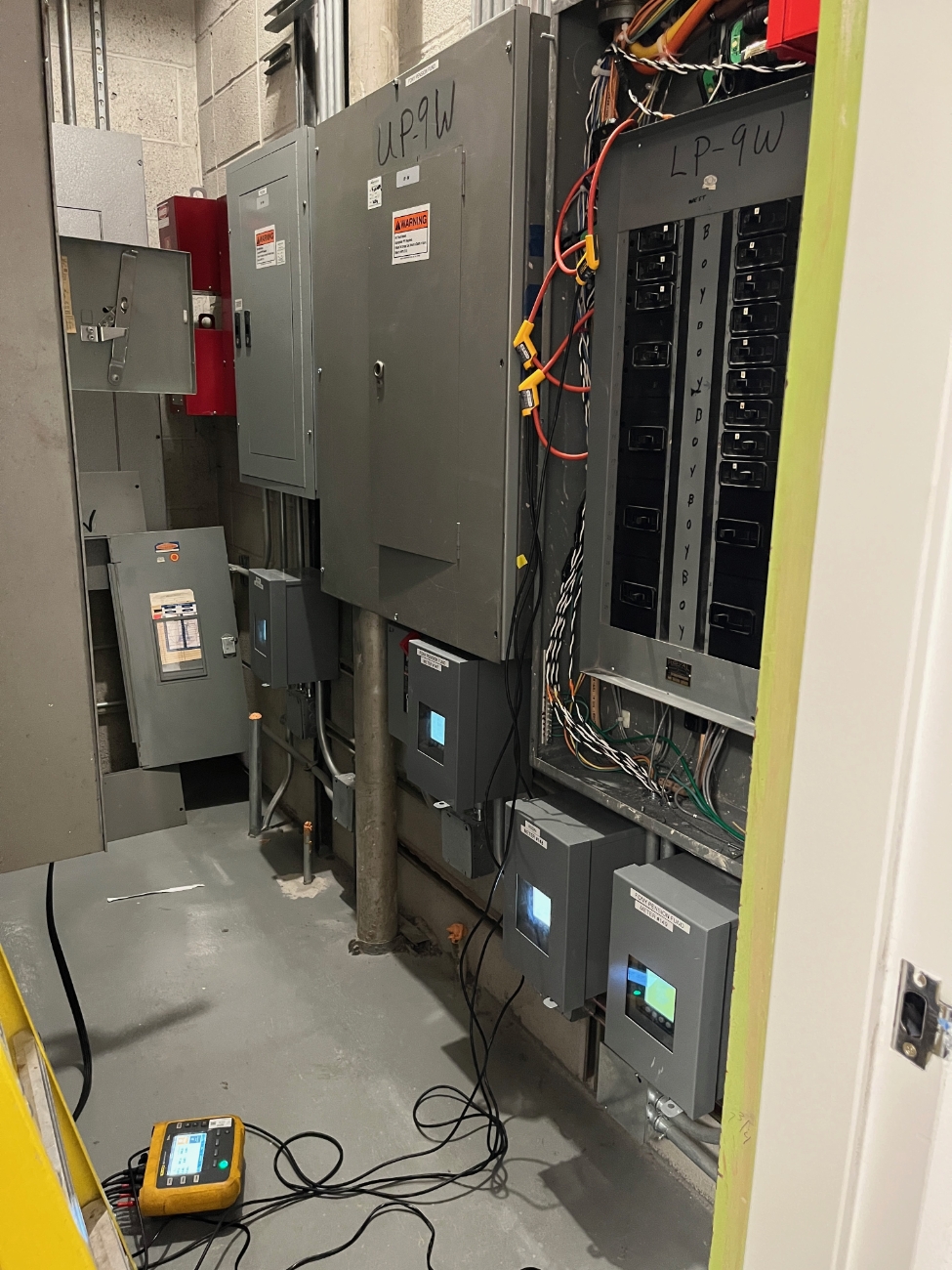
We say it all the time – one-third of all meters are installed incorrectly.
There are dozens of reasons why a meter isn't reading accurately. All of them cost you in billing problems.
Here's a happy story of fixing an inaccurate meter that had flown under the radar for a very long time and why the ROI of reference testing is often instantaneous.
How Reference Testing Pays for Itself
Recently, a client asked us to reference-test all 98 meters in a particular NYC building as part of a new initiative for their properties. We started on the top floor and are working our way down, checking each and every submeter and documenting its performance. We're also updating the documentation about actual serial numbers and locations (because Dunkin’ moved out 10 years ago but the doc didn’t get updated).
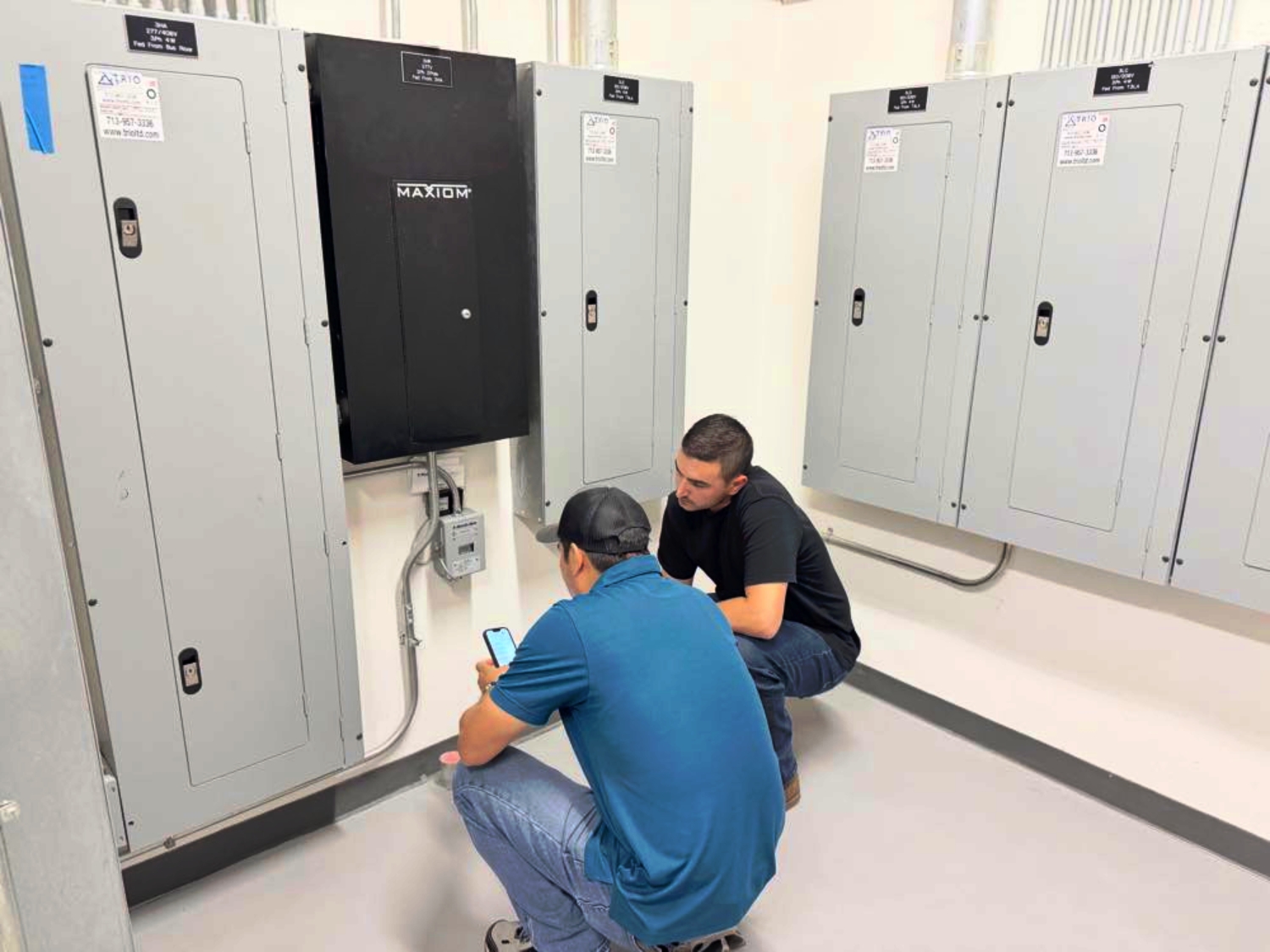
Everything was going well initially. We tested each meter, both its instantaneous load and its cumulative usage, against our calibrated power analyzer to see how much usage the power analyzer was recording vs. how much the meter was recording. The first few meters looked good.
Then we got to meter 148. Instant disagreement. The power analyzer was reading half the kW the meter was showing. But why?
This particular problem was discovered by applications engineer Anthony Elia. Anthony has worked for utiliVisor for almost seven years now, and before that he worked as a subcontractor electrician. So he knows what he’s looking at when he’s testing meters.
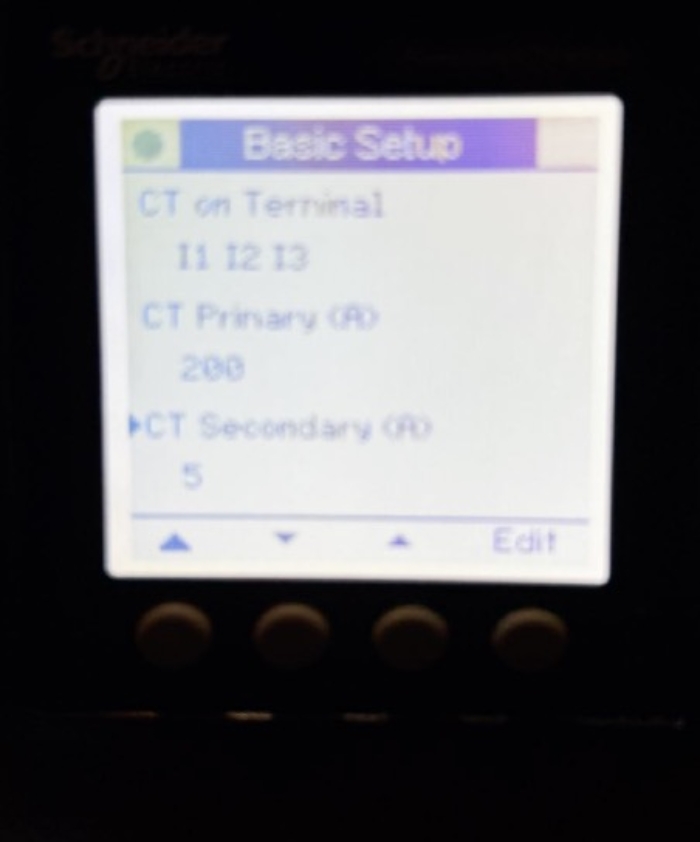
It took Anthony less than 60 seconds to diagnose the problem – incorrect programming of the CT ratio in the meter (the ratio indicates how much the CT steps down the voltage so that the meter can read it). All the other meters on that floor had a CT ratio of 200:5. However, the correct CT ratio for this meter was 100:5. But someone, somewhere along the way, had programmed this particular meter with the same ratio as all the floor's other meters (i.e., 200:5, not 100:5).
Let's break this down into plain language: Meter 148 was programmed to report consumption as twice what it actually was.
How Does a Wrong CT Ratio Affect Tenant Billing?
So what did this programming error do to the tenant's electric bill?
In this building, on this floor, the submeters have an unusual setup. Meter 147 (the "tenant" meter) reads the mains electricity for more than half the floor, not just the tenant space. In other words, meter 147 was reading the electricity for the tenant space as well as the floor's common areas – the bathrooms and hallways – consumption that’s not the tenant’s direct responsibility.
Meter 148 is what's known as a deduct meter. It reads the power for just the bathrooms and the hallway – the common area spaces. So to create an accurate tenant bill, the consumption from 148 has to be deducted from 147 every month. But because 148 was reading twice as much kW as it should have been, more was being deducted from the tenant's bill than should have been. In other words, the tenant was being undercharged.
If thinking about deduct meters gives you a headache, try it this way:
- If the tenant meter reads $100 a month in electrical consumption and the deduct meter reads $20, the tenant is billed $80.
- But if the tenant meter reads $100 a month and the deduct meter reads $10 instead of $20, the tenant is billed $90.
As the property, you'd rather recoup $90 than $80, right?
Yes, meter 148 is tracking a low load, but it likely has been misreading for a very long time. We don't know how long this problem has existed, but clearly it's been there for a while. That monthly loss in recovery adds up!
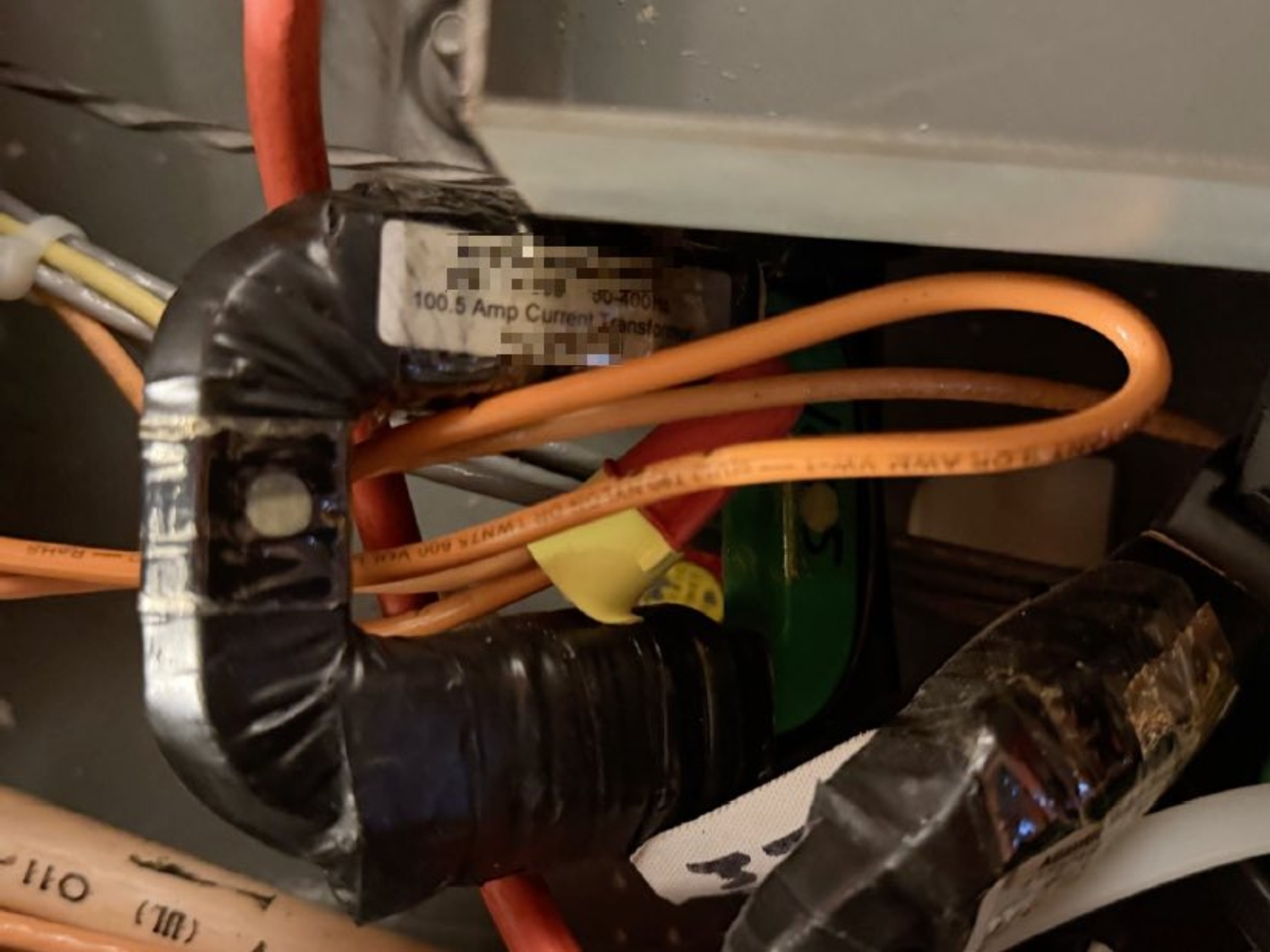
Anthony is not only a metering expert, but he’s also a man of action. He double-checked everything he was seeing and then reprogrammed the meter to the correct CT ratio. He then double-checked all the readings to make sure his correction was accurate. Unsurprisingly, it was.
Then he moved on to the next meter, applying the same careful attention to detail each time, so that owners, managers, and tenants all know their bills are accurate. He also documented the entire process in the service ticket so the client has a record of everything if they want to/are allowed to backbill.
What else will he find? Watch this space.
You Might Like
Related articles from our blog:

About utiliVisor
Your tenant submetering and energy plant optimization services are an essential part of your operation. You deserve personalized energy insights from a team that knows buildings from the inside out, applies IoT technology and is energized by providing you with accurate data and energy optimization insights. When you need experience, expertise, and service, you need utiliVisor on your side, delivering consistent energy and cost-saving strategies to you. What more can our 45+ years of experience and historical data do for you? Call utiliVisor at 212-260-4800 or visit utilivisor.com