Is Central Plant Monitoring Snake Oil or Science?
The truth about snake oil and the ROI of plant monitoring
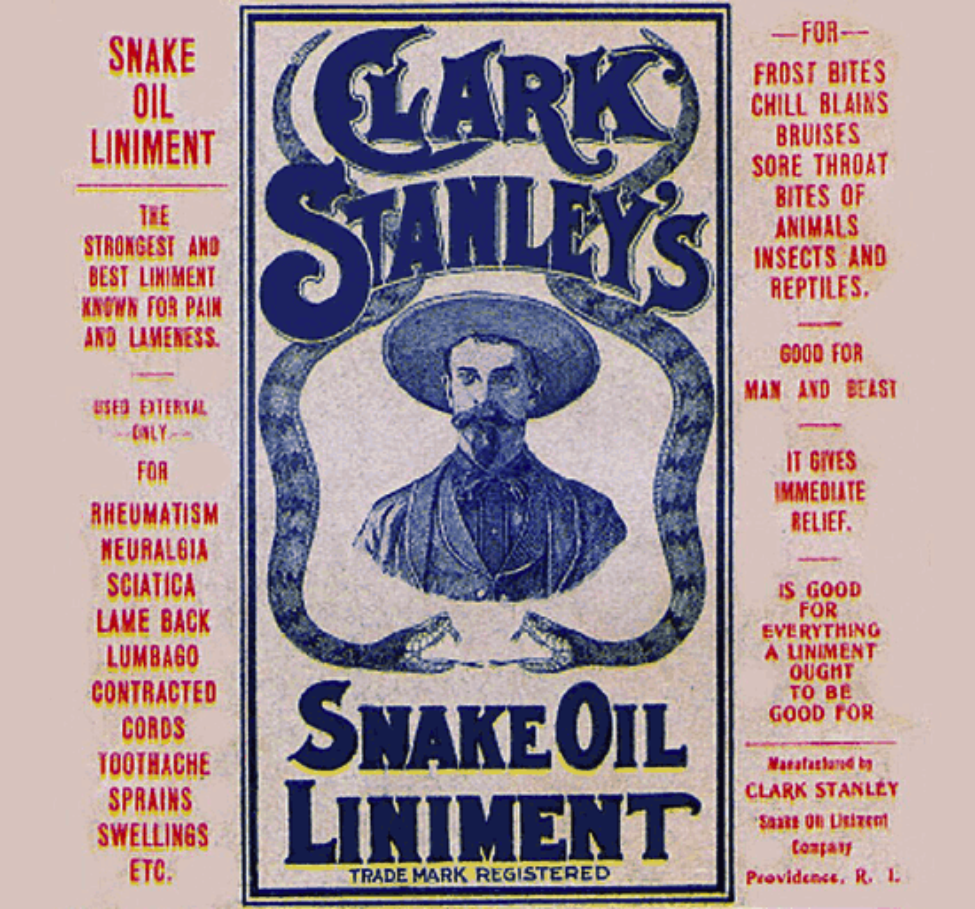
When we first approached the hospital’s director of plant operations about lowering his costs 10%–12% through plant monitoring, he thought we were selling snake oil.
We get it. Talk is cheap, and scam artists abound, even in submetering. (We’ve documented examples of these frauds in our articles on scammy contract terms and “savings” reports).
The funny thing about snake oil is that if you know what you’re doing, it actually works. Chinese immigrants brought their treatment for muscle and joint pain with them to the railroad camps of the mid-1800s. The snake oil they used is an effective anti-inflammatory, with centuries of traditional practice behind it. But it’s not a cure-all: it’ll relieve muscle pain after a day of hard labor: it won’t help a sore throat, prevent infection from an animal bite, or heal frostbite. Those claims are complete cons.
From Traditional Remedy to Patent Medicine Scam
Not only do you have to use snake oil for the right reasons, you also have to use the right type of snake. The original (and still the best!) snake oil comes from the Chinese water snake, a species that has unusually high levels of omega-3 (more than salmon).
But fraudsters are never interested in doing things the right way. In 1893, the most well-known of the snake oil salesmen, Clark Stanley, took advantage of the interest in Chinese medicine and, figuring that one snake was as good as another, created his own version using rattlesnakes. A true showman, he convinced people that his rattlesnake liniment – derived from the “ancient wisdom of the Hopi” of northern Arizona – was just as good as the Chinese snake oil. (Spoiler alert: It wasn't. It did nothing.)
Once he got the public interested, Stanley determined that rattlesnake oil was too hard to mass-produce. So in true scammer tradition, he started bottling mineral oil, beef fat, red pepper, and turpentine, without bothering to change his labels (it’s no surprise that this concoction also did nothing to provide relief). This is likely the version he sold for decades.
Stanley got caught in 1917 when a “truth in advertising” FDA investigation found that his snake liniment contained 0% snake. He was fined a paltry $20 ($511 today), and his factory was closed. But after 24 years of scams from Stanley and others like him, the damage to the reputation of Chinese snake oil had been done.
Back to the Future: Measured Savings, Real Payback
Let’s get back to our hospital story: We’re not showmen, we’re entirely fact-driven. So, when the operations director expressed his doubts about our savings claim, we set up a fair deal to demonstrate what plant monitoring can do, and he took us up on it. That was almost 20 years ago.
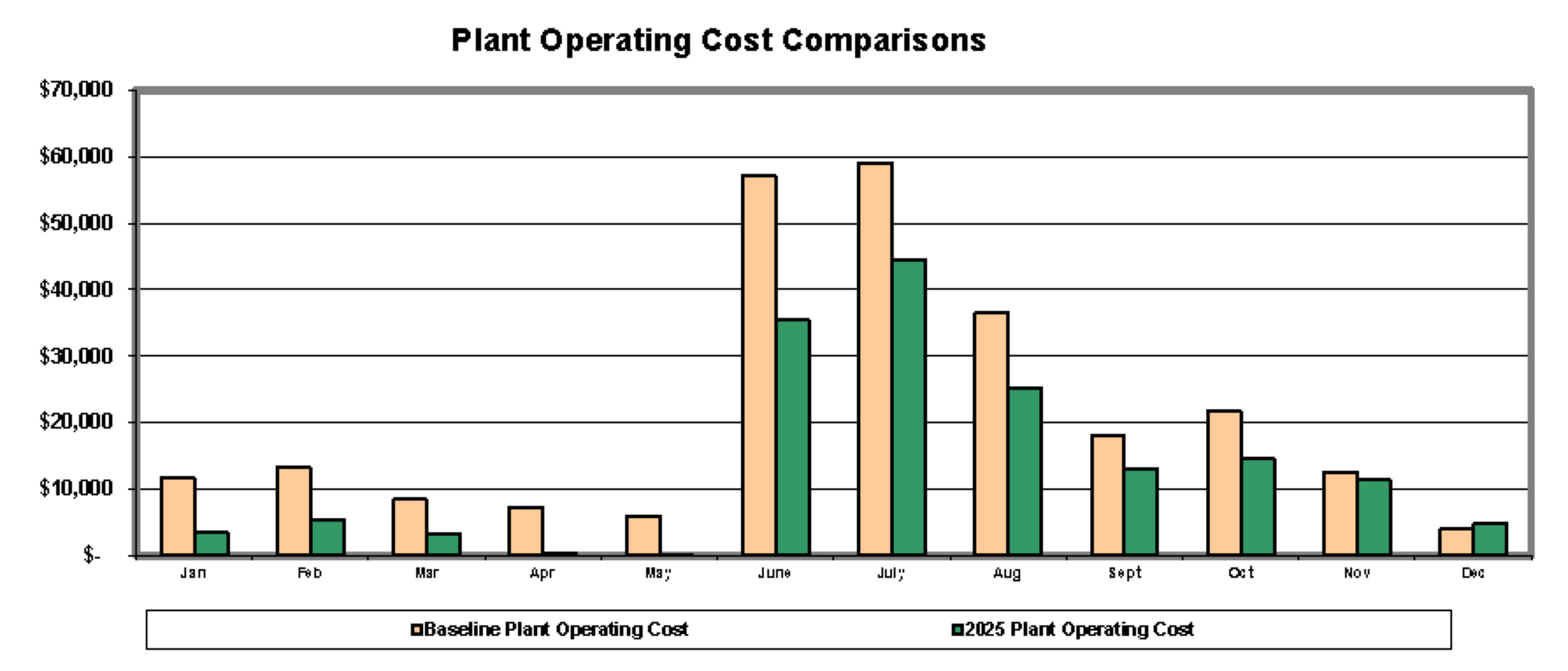
Monitoring started to save this healthcare campus money right away, and the savings have been building. Above are the month-by-month results of plant operating costs in 2025 with plant monitoring (in green) and without (in orange).
What does this all add up to? Over the nine chiller plants for this organization, we saved them $1.49M in 2025 alone. Compared to their baseline operations, that’s a savings rate of 29%. Framing it another way, our services for 2025 paid for themselves in about 2 months. The other 10 months of the year were all money back in the facility’s pocket.
How does the director make use of these savings? In this case, the funds go directly back to the facility department. This team has a fixed budget, so every dollar saved can be used to fund other energy projects. They’ve used their energy savings to help them research their site’s potential for cogen as well as combine their AHUs and eliminate steam from their system (too many leaks over the years). They get to choose what they spend their savings on, which only increases their motivation to keep energy use down while providing the best environment for their patients and staff at the lowest cost.
So, what do you think? Is a proven 29% in savings totaling ~$1.5M annually the snake oil of charlatans? Or is it the real deal from practitioners with a long history of applying the right methods to a well-defined problem?
You Might Like

About utiliVisor
Your tenant submetering and energy plant optimization services are an essential part of your operation. You deserve personalized energy insights from a team that knows buildings from the inside out, applies IoT technology and is energized by providing you with accurate data and energy optimization insights. When you need experience, expertise, and service, you need utiliVisor on your side, delivering consistent energy and cost-saving strategies to you. What more can our 45+ years of experience and historical data do for you? Call utiliVisor at 212-260-4800 or visit utilivisor.com