Iconic Structures and Their Bizarre Backstories
The not-always-rational history of some of the world's most famous structures
As operations nerds, we love buildings and their stories. From remarkable engineering feats to wondrous blunders, the built environment has it all.
So for our fellow building nerds, enjoy these quick tales of the world's architectural marvels and major mishaps. This is the kind of stuff you just can't make up.
The Million Dollar Corner
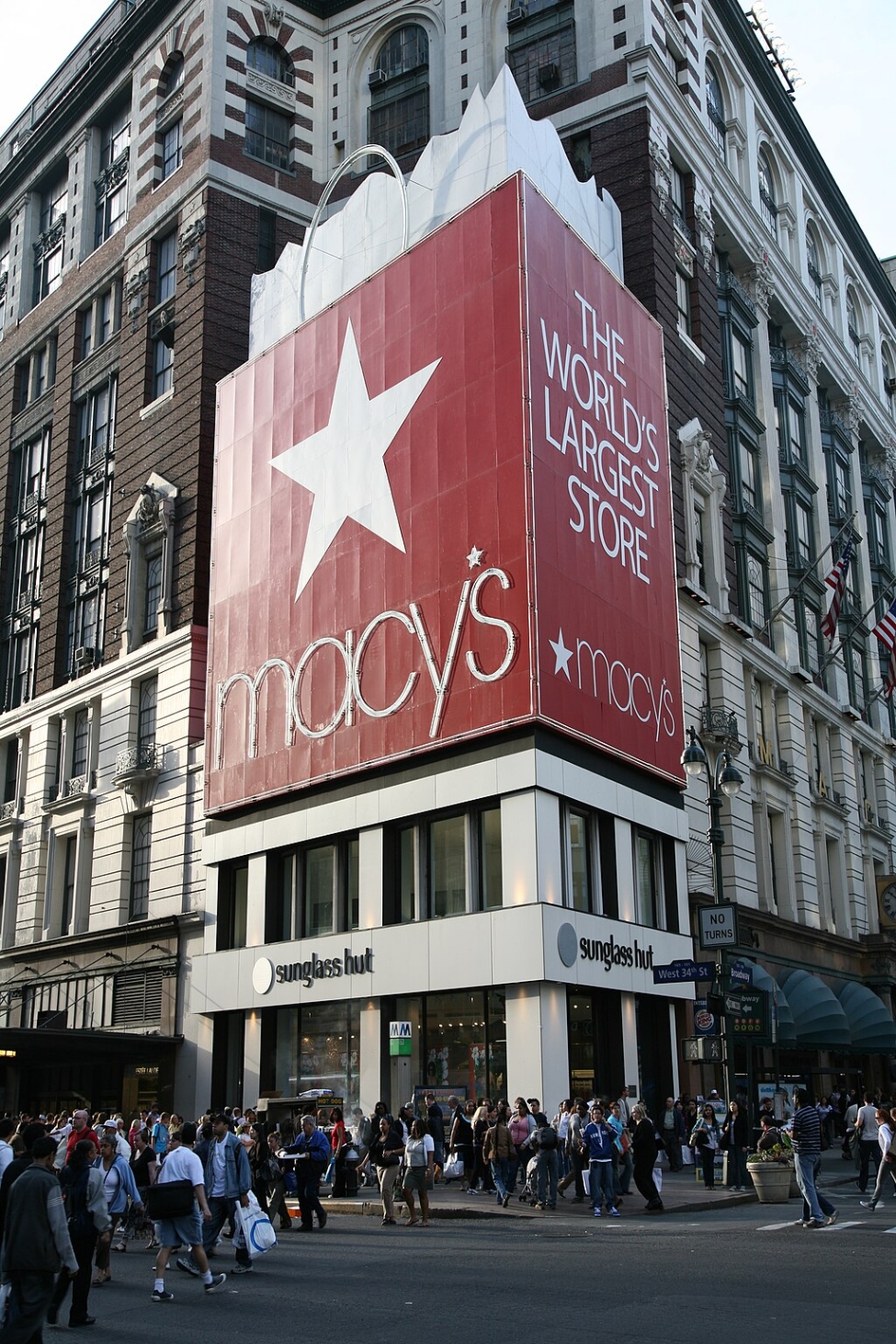
The corner of 34th Street and Broadway in NYC has been fought over since 1900. Retail competitors bought the corner lot out from under Macy’s in the hopes of scoring a trade for another Macy’s property. Macy’s declined to negotiate and cut their new store around the little corner lot (now a Sunglass Hut). Macy's declined to bid when the property came up for sale again in 1911, but the owner of the little store found a buyer for a whopping $1 million, earning the plot its nickname, Million Dollar Corner. In 2021, Amazon outbid Macy’s for the property, keeping the corner and its valuable advertising space above the Sunglass Hut out of Macy’s ownership once again.
Scrapping the Eiffel Tower (x2)
In May of 1925, charismatic con artist Victor Lustig invited top metal dealers to a meeting in Paris, explaining that, unfortunately, the Eiffel Tower had engineering flaws and was in need of demolition. The tower's famous metal structure, he explained, was to be auctioned off to help the French government recover from WWI. He was taken at his word, and the bidding was robust, topping out at $350 million. When the scam was uncovered, his embarrassed victim kept silent. So Lustig repeated his scam and sold the Eiffel Tower again a month later (sadly, we know less about this second "sale"). Apparently Lustig couldn't stop while he was ahead. He later started counterfeiting dollars, which got the attention of the Secret Service and the FBI, and he was eventually apprehended and sent to Alcatraz, where he died of pneumonia in 1947.
Funding Battles Are Nothing New
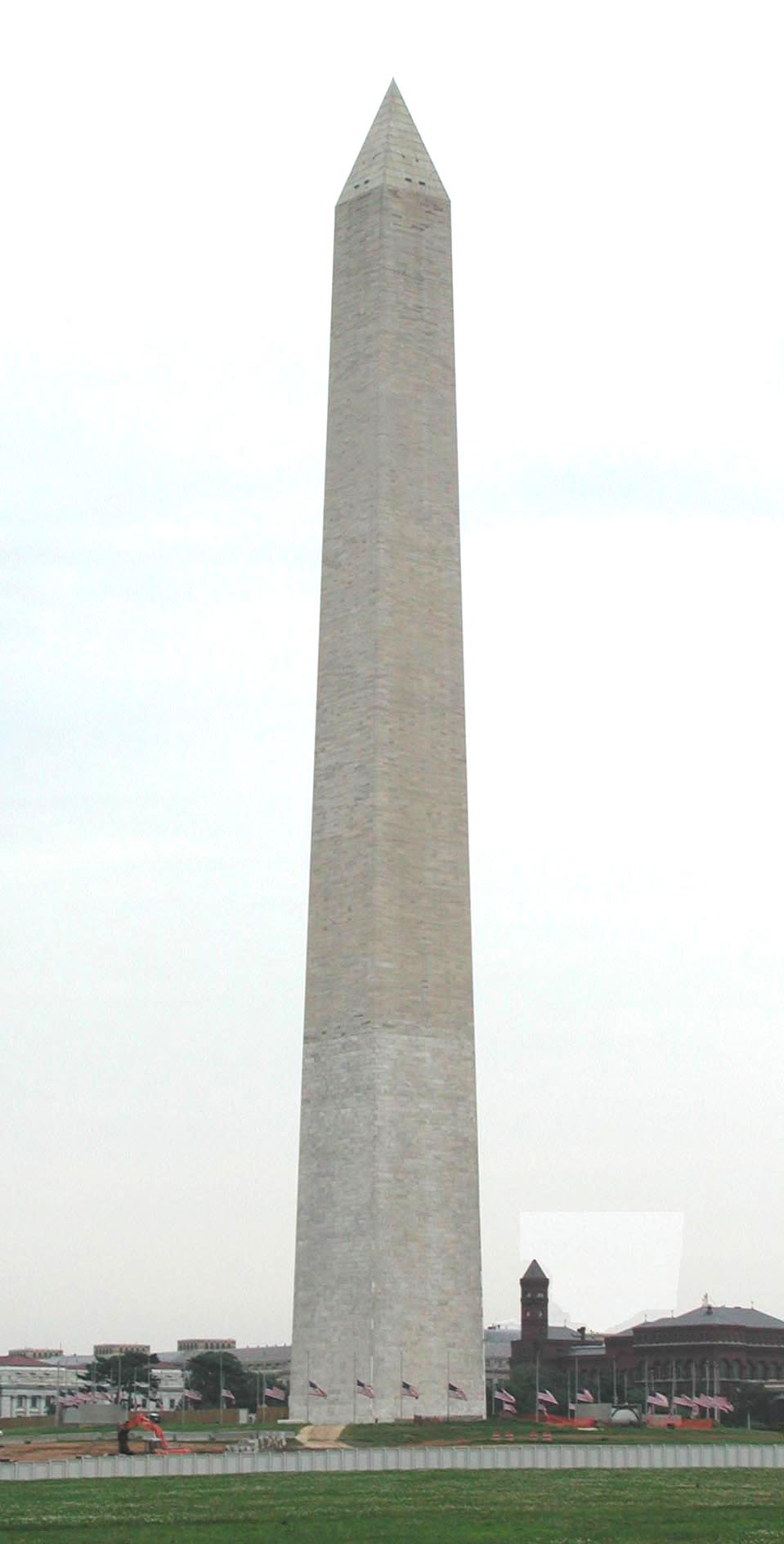
The Washington Monument was plagued with problems throughout its development and construction. The monument was first proposed in 1783, but the young nation had other issues on its mind. In 1804, Thomas Jefferson finally drove a stone marker into the proposed site, though the marker eventually sunk into the marsh. Financing continued to be tough, and construction only began in earnest in 1848. Many groups donated commemorative stones for the project, including Pope Pius IX, who donated a stone from the ancient Temple of Concord in Rome. Sadly, this stone was stolen and dumped in the Potomac River in a political tantrum by anti-Catholics. The construction fund ran dry in 1854, leading Mark Twain to describe the partial structure as looking like “a factory chimney with the top broken off.” By the time construction began again, the builders couldn’t match the marble, so a different source was found for the upper 2/3 of the structure, which was finally completed in 1884. Apparently the new marble was initially a good match for the original, but time and the elements have literally created a line of demarcation that exposes the political history of this build.
Who Built the Great Wall of Texas?
In 1852, three men dug out a narrow row of stones that appeared to be stacked on top of each other to form a wall. Others in this Texas outpost stumbled upon more “wall” while plowing or digging wells, all seemingly made of cut and stacked stone, leading locals to brag about the piece of ancient civilization they uncovered. Their claims brought in geologists, who examined portions of the outcrops and proclaimed them natural sandstone dykes. And ever since, people have argued over whether the wall is nature’s work or humanity’s. Old newspapers report that archeologists, architects, and locals claimed to have seen arches and steps, writing in the stones, and an iron disk embedded within the wall, evidence that the wall was built by people. Yet geologists have remained firm that the structure is a rock formation untouched by human hands. Because the structure has never been fully excavated – and what was dug out is on private property – no one really knows whether the wall is a natural formation, evidence of a lost society, or a bit of both.
.jpg)
The Biggest Structure Ever Moved
Troll A is an offshore natural gas platform off the coast of Norway. It was once the largest platform in the world, weighing 1.2 million tons (ballasted; heavier than 7 Nimitz aircraft carriers) and standing 600 feet taller than the Eiffel Tower. Most oil and gas platforms are built in place, but Troll A was built closer to shore. Once assembled, it was towed out to its final location by 10 tugboats over the course of a week, making it the largest human structure to ever be moved. If you don’t mind enclosed spaces, you might enjoy the 9-minute elevator ride from the sea floor to the surface. Another fun fact: this platform for natural gas has been electrified to reduce its greenhouse gas emissions.
That Glamorous Oscars Stage... Is a Mall?
Every year, the glitterati gather to hand out coveted statues known as the Oscars. But it turns out the entire event is movie magic, because the Dolby Theater is not some glamorous property but part of a regular shopping mall. Every February, the mall gets a two-week makeover, when a crew of 250 dress the mall’s exterior and the theater with red carpets, risers, and stages, disguising the mall from the cameras. On Oscar Sunday, the entire mall closes for the day, a clause written into each store’s lease agreement. Peek behind those velvet curtains and what you'll see is Gap, Oakley, Skechers, and Hot Topic.
You Might Like

About utiliVisor
Your tenant submetering and energy plant optimization services are an essential part of your operation. You deserve personalized energy insights from a team that knows buildings from the inside out, applies IoT technology and is energized by providing you with accurate data and energy optimization insights. When you need experience, expertise, and service, you need utiliVisor on your side, delivering consistent energy and cost-saving strategies to you. What more can our 45+ years of experience and historical data do for you? Call utiliVisor at 212-260-4800 or visit utilivisor.com